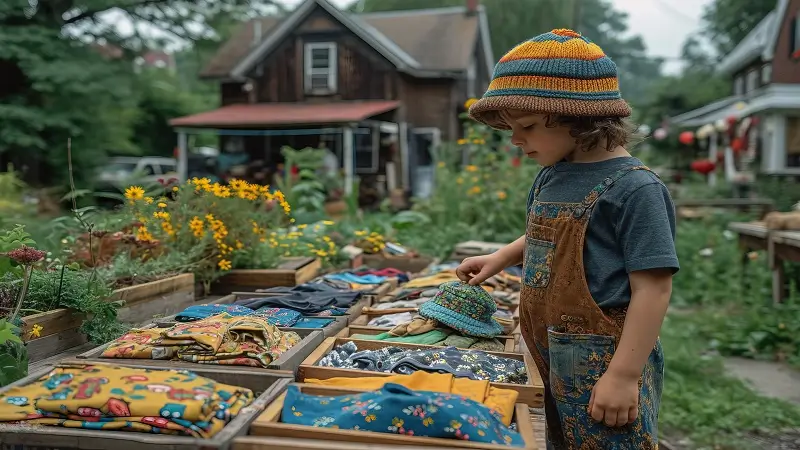
Art and crafts have always played an important role in human culture. They allow people to express their creativity, preserve traditions, and create beautiful handmade items that can be enjoyed for years. Among the many artistic themes that attract attention, arts thunderonthegulf crafts represent a fascinating blend of creativity, craftsmanship, and cultural appreciation.
Crafts are more than simple handmade projects. They reflect the skills, imagination, and dedication of artists who transform ordinary materials into meaningful works of art. Whether someone enjoys painting, woodworking, jewelry making, fabric art, or decorative crafts, artistic activities provide opportunities for learning, self-expression, and community engagement.
This article explores the world of arts and crafts, their importance, popular craft categories, practical crafting techniques, and the benefits they bring to individuals and communities.
Understanding the Importance of Arts and Crafts
Arts and crafts have been part of human civilization for thousands of years. Ancient societies used artistic techniques to create tools, decorations, clothing, and cultural symbols. Over time, these traditions evolved into diverse forms of creative expression.
Today, arts and crafts continue to hold value because they:
- Encourage creativity and innovation.
- Preserve cultural traditions and heritage.
- Develop practical skills.
- Support local artists and makers.
- Provide relaxation and stress relief.
- Create opportunities for education and learning.
The growing popularity of handmade products shows that people appreciate unique items created with care and attention to detail.
The History of Craftsmanship
Craftsmanship has deep historical roots. Before industrial manufacturing became common, nearly every household item was handmade by skilled artisans.
Examples of traditional crafts include:
Pottery
Pottery is one of the oldest forms of craftsmanship. Ancient civilizations created bowls, containers, and decorative pieces using clay and simple tools.
Textile Arts
Weaving, embroidery, knitting, and sewing have been practiced across cultures for centuries. These crafts helped communities create clothing, household items, and decorative textiles.
Woodworking
Woodworkers have long produced furniture, tools, sculptures, and decorative objects. Skilled craftsmanship often transformed simple wood into valuable works of art.
Metalwork
Metalworking techniques allowed artisans to create jewelry, weapons, tools, and decorative items that reflected cultural identity and artistic excellence.
These traditional methods continue to inspire modern artists and crafters.
Popular Types of Arts and Crafts
The world of crafting offers countless creative possibilities. Some of the most popular categories include:
Painting and Drawing
Painting and drawing remain among the most accessible artistic activities. Artists use pencils, charcoal, watercolor, acrylics, and oils to create visual works of art.
Benefits include:
- Improved observation skills.
- Enhanced creativity.
- Personal expression.
- Development of artistic techniques.
Paper Crafts
Paper crafting is both affordable and versatile. Popular projects include:
- Greeting cards.
- Scrapbooking.
- Origami.
- Paper flowers.
- Decorative wall art.
Paper crafts are suitable for both beginners and experienced artists.
Jewelry Making
Jewelry crafting allows creators to design personalized accessories using beads, metals, gemstones, and various decorative materials.
Common jewelry projects include:
- Necklaces.
- Bracelets.
- Earrings.
- Rings.
- Custom accessories.
Fabric and Textile Crafts
Textile crafts continue to be popular due to their practicality and artistic appeal.
Examples include:
- Sewing.
- Quilting.
- Embroidery.
- Crochet.
- Knitting.
These skills can be used to create clothing, home décor, and gifts.
Wood Crafts
Wood crafting combines creativity with technical skill. Popular woodworking projects include:
- Picture frames.
- Decorative signs.
- Furniture.
- Carvings.
- Storage boxes.
Many hobbyists enjoy woodworking because it offers both artistic and functional results.
Getting Started with Craft Projects
Beginners often feel overwhelmed when entering the world of arts and crafts. However, starting is easier than many people expect.
Choose a Craft That Interests You
The first step is selecting a craft that matches your interests and available resources.
Consider:
- Your budget.
- Available workspace.
- Skill level.
- Personal interests.
Starting with simple projects builds confidence and encourages continued learning.
Gather Basic Supplies
Most craft projects require a few essential tools and materials.
Examples include:
- Scissors.
- Glue.
- Paintbrushes.
- Paper.
- Fabric.
- Craft knives.
- Measuring tools.
Quality supplies often improve results and make projects more enjoyable.
Learn Basic Techniques
Before attempting advanced projects, focus on mastering fundamental techniques.
For example:
- Proper cutting methods.
- Accurate measurements.
- Safe tool handling.
- Color selection.
- Material preparation.
Building strong foundations helps crafters achieve better outcomes over time.
Creative Benefits of Arts and Crafts
Participating in artistic activities offers numerous personal benefits.
Enhances Creativity
Craft projects encourage people to think creatively and explore new ideas. This creative thinking can also benefit professional and personal problem-solving.
Improves Concentration
Many craft activities require attention to detail. As a result, participants often experience improved focus and concentration.
Builds Confidence
Completing a project creates a sense of accomplishment. Each finished piece helps build confidence and motivation for future creative endeavors.
Encourages Lifelong Learning
Arts and crafts involve continuous learning. New materials, techniques, and styles provide endless opportunities for growth and exploration.
Community and Cultural Impact
The influence of arts thunderonthegulf crafts extends beyond individual creativity. Arts and crafts often bring communities together through shared experiences and cultural appreciation.
Supporting Local Artists
Handmade products help support independent artists and small creative businesses. Purchasing handcrafted items contributes to local economies and encourages artistic development.
Preserving Traditions
Many craft techniques are passed down through generations. Preserving these traditions helps maintain cultural identity and historical knowledge.
Educational Opportunities
Schools, workshops, and community programs frequently use arts and crafts to teach practical skills, creativity, and cultural awareness.
Tips for Successful Crafting
Whether you are a beginner or experienced crafter, these practical tips can improve your results.
Plan Your Project
Before starting, create a simple plan that outlines:
- Materials needed.
- Project steps.
- Estimated completion time.
- Desired outcome.
Planning reduces mistakes and improves efficiency.
Stay Organized
Organized workspaces make crafting more enjoyable and productive.
Consider:
- Labeling supplies.
- Using storage containers.
- Cleaning tools after use.
- Keeping materials accessible.
Practice Regularly
Skill development requires consistent practice. Small projects completed regularly often lead to significant improvement over time.
Learn from Others
Books, workshops, tutorials, and experienced artists provide valuable knowledge and inspiration.
Future Trends in Arts and Crafts
Modern technology continues to influence creative industries.
Emerging trends include:
Sustainable Crafting
Many artists now focus on environmentally friendly materials and recycled resources.
Digital Design Integration
Digital tools help creators plan, design, and market their work while maintaining traditional craftsmanship.
Personalized Products
Consumers increasingly seek custom-made items that reflect their unique preferences and personalities.
Hybrid Art Forms
Artists often combine traditional techniques with modern innovations to create distinctive works.
These trends demonstrate the ongoing evolution of the creative world.
Conclusion
Arts and crafts remain a valuable part of human culture and creative expression. Through painting, woodworking, textile arts, jewelry making, and countless other forms of craftsmanship, individuals can develop skills, express ideas, and create meaningful handmade works.
The growing interest in arts thunderonthegulf crafts highlights the enduring appeal of artistic creativity and craftsmanship. Whether someone is a beginner exploring a new hobby or an experienced artist refining their skills, arts and crafts offer endless opportunities for learning, personal growth, and cultural appreciation.