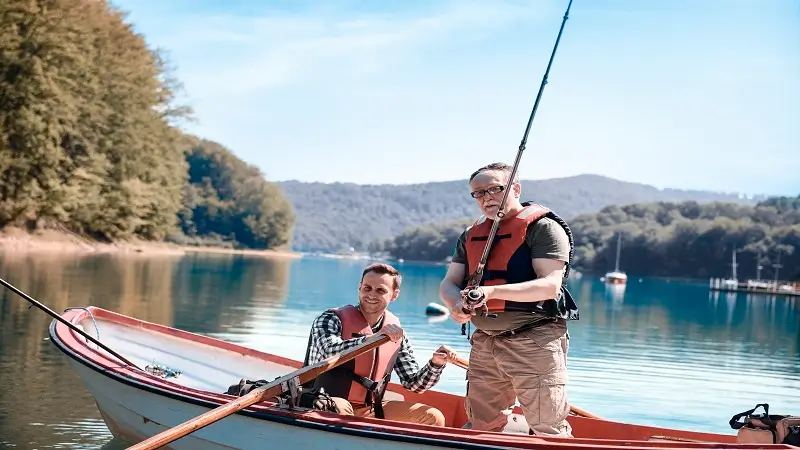
Fishing can be much more than catching fish. For families, it can become a memorable outdoor experience that combines time on the water, learning, teamwork, and a chance to enjoy nature together. A family fishing trip gives children a chance to learn how marine life works while adults relax away from busy routines.
The idea of a thunderonthegulf fishing family experience centers on making fishing enjoyable and accessible for everyone, including beginners and children. With the right preparation, a family can turn a simple day near the water into an experience that everyone remembers.
Why Family Fishing Is a Great Outdoor Activity
Family fishing offers several benefits beyond the excitement of getting a bite. It encourages people to spend time outdoors and creates opportunities for parents and children to communicate without the distractions of everyday life.
Fishing can also teach patience. Fish do not always bite immediately, so children learn that good experiences sometimes require waiting and paying attention. They can also develop basic knowledge about equipment, weather, water conditions, and different types of fish.
Another advantage is flexibility. A family does not necessarily need an expensive boat or advanced equipment. A suitable shoreline, pier, lake, or guided trip can provide an enjoyable introduction to fishing.
Planning a Family Fishing Trip
Good preparation can make a major difference. Before leaving home, decide where you want to fish, how long you plan to stay, and what type of fishing suits your group.
Check local fishing regulations before your trip. Rules can vary by location and may include licensing requirements, size limits, seasonal restrictions, and catch limits.
Weather is also important. Check the forecast and avoid conditions that could make the water or shoreline unsafe.
A useful family checklist includes:
- Fishing rods and suitable tackle
- Bait or permitted artificial lures
- Drinking water
- Snacks and meals
- Sun protection
- Appropriate clothing
- First-aid supplies
- Life jackets when boating
- Waste bags for keeping the area clean
Keeping the trip simple is often better than carrying too much equipment.
Choosing the Right Fishing Location
The best location for a family depends on age, experience, mobility, and the type of fishing you want to try.
A calm shoreline may be suitable for young children because it avoids the challenges of being on a boat. Piers can also provide convenient access to deeper water, although children should remain supervised around the edge.
For families interested in offshore fishing, a licensed guide or charter can provide equipment and local knowledge. Before booking, ask whether the trip is appropriate for children and beginners.
When selecting a location, consider parking, restrooms, shade, food availability, and emergency access. These practical details can make the experience much easier for families.
Teaching Children Basic Fishing Skills
Children do not need to master complicated techniques on their first trip. Start with simple skills.
Show them how to hold a fishing rod safely and explain how the reel works. Teach them how to cast only when there is enough space around them. Before using hooks, explain why they must never swing a fishing rod near another person.
You can also turn the trip into a learning activity. Help children identify fish, birds, shells, plants, and other wildlife they encounter.
The goal should be participation rather than catching the biggest fish. A child who enjoys the experience is more likely to become interested in fishing again.
Keeping Children Interested While Fishing
Fishing sometimes involves long periods without activity. Young children may become bored if they are expected to sit quietly for hours.
Parents can make the experience more engaging by giving children small responsibilities. They might help organize tackle, watch the bobber, keep track of different species, or take photographs.
Bring simple activities for breaks. A nature journal, binoculars, or a basic wildlife identification guide can turn waiting time into exploration.
Short fishing sessions are often better for younger children than an entire day on the water. You can always plan another trip when they become more comfortable.
Safety Rules Every Fishing Family Should Follow
Safety should always come before the catch. A thunderonthegulf fishing family outing should include clear rules that every member understands before fishing begins.
Children should stay within the area designated by adults and should never approach deep or unstable water without supervision.
If you are fishing from a boat, everyone should wear an appropriately fitted life jacket according to local safety requirements. Keep sharp hooks, knives, and other tackle secured when they are not being used.
Sun exposure is another consideration. Wear protective clothing, use appropriate sunscreen, drink enough water, and take breaks when conditions are hot.
Be aware of changing weather. Strong winds, lightning, heavy rain, or rapidly changing water conditions can turn a pleasant outing into a dangerous situation. If conditions deteriorate, leave the water and seek a safe location.
Choosing Family-Friendly Fishing Equipment
Families do not need professional equipment to get started. A simple rod-and-reel combination is often enough for beginners.
For children, choose equipment that is comfortable for their size and strength. Lightweight rods can be easier to handle than large adult setups.
Keep tackle organized in a secure container. Hooks and other sharp objects should remain away from small children when not being used.
If you are unsure which equipment to purchase, ask a knowledgeable local fishing retailer or experienced angler about the species and conditions in your chosen location.
Learning About Responsible Fishing
A good family fishing trip should also teach respect for the environment. Children can learn that fishing comes with responsibilities.
Follow local catch limits and size requirements. If regulations require certain fish to be released, handle them carefully and return them to the water as quickly as practical.
Avoid leaving fishing line, hooks, bait containers, plastic, or food waste behind. Discard fishing line responsibly because loose line can harm birds and other wildlife.
Responsible fishing helps protect aquatic environments so future generations can enjoy them too.
Making Family Fishing More Educational
Fishing can become an outdoor classroom. Before the trip, children can learn about the fish commonly found in the area.
During the outing, explain simple concepts such as food chains, habitats, tides, water temperature, and seasonal changes. Older children can keep a fishing journal that records the date, location, weather, species observed, and fishing methods used.
These activities help children understand that fishing is connected to a much larger natural ecosystem.
Food and Meal Planning for a Fishing Day
A family day outside requires enough food and water. Pack easy-to-carry meals and snacks that can handle the conditions.
Fresh water should be available throughout the trip, especially during warm weather. Keep perishable foods properly chilled and follow normal food-safety practices.
If you plan to eat your catch, follow local regulations and handle the fish properly from the moment it is caught. Keep fish appropriately chilled and prepare it safely.
How to Make the Trip Memorable
The most successful family fishing trips are not necessarily the ones with the largest catch. Memories can come from many small moments.
Take photographs, watch wildlife, explore the shoreline, and allow children to enjoy the surroundings. Allow everyone to participate.
A family can also create traditions, such as visiting a new fishing location each season, keeping a fishing journal, or having a simple meal together after returning from the water.
For a thunderonthegulf fishing family, these traditions can make fishing something the entire family looks forward to rather than a one-time activity.
Common Mistakes to Avoid
Several simple mistakes can make a family fishing trip less enjoyable.
One common mistake is planning a trip that is too long for young children. Another is bringing equipment that is too complicated for beginners.
Ignoring weather conditions can also create unnecessary risks. Families should check conditions before leaving and remain prepared to change plans.
Finally, avoid putting too much pressure on children to catch fish. Fishing should be an enjoyable learning experience, not a competition.
A Simple Family Fishing Plan
For beginners, the following approach can make planning easier:
Step 1: Pick an Accessible Location
Choose a safe and convenient location appropriate for your family’s experience level.
Step 2: Check Rules and Weather
Review local regulations and check the weather before leaving.
Step 3: Pack the Essentials
Bring suitable equipment, water, food, sun protection, and safety supplies.
Step 4: Teach Basic Rules
Explain how to handle rods, hooks, bait, and fish safely.
Step 5: Keep the First Trip Short
A two- or three-hour outing may be enough for younger children.
Step 6: Focus on the Experience
Celebrate learning, exploring, and spending time together rather than focusing only on the number of fish caught.
Why Family Fishing Can Become a Long-Term Hobby
Fishing combines outdoor recreation, practical skills, and family interaction. As children grow older, they can gradually learn more advanced techniques and take greater responsibility for equipment and preparation.
The experience can also encourage a deeper appreciation for nature. Families who fish responsibly often become more aware of aquatic habitats, wildlife, conservation, and the importance of protecting clean water.
That makes thunderonthegulf fishing family more than a phrase associated with a fishing trip. It represents the broader idea of making fishing a shared family experience built around learning, safety, nature, and quality time.
Final Thoughts
Family fishing does not have to be complicated or expensive. With thoughtful planning, basic equipment, suitable clothing, and a strong focus on safety, almost any family can enjoy time near the water.
The most important part is creating an experience where everyone feels involved. Let children ask questions, explore their surroundings, learn basic fishing skills, and appreciate the natural environment.
Whether your family is trying fishing for the first time or already enjoys regular trips, preparation and responsible habits can make every outing more enjoyable. A successful fishing day is ultimately about more than the catch. It is about sharing time, learning together, and creating memories that can last well beyond the day on the water.