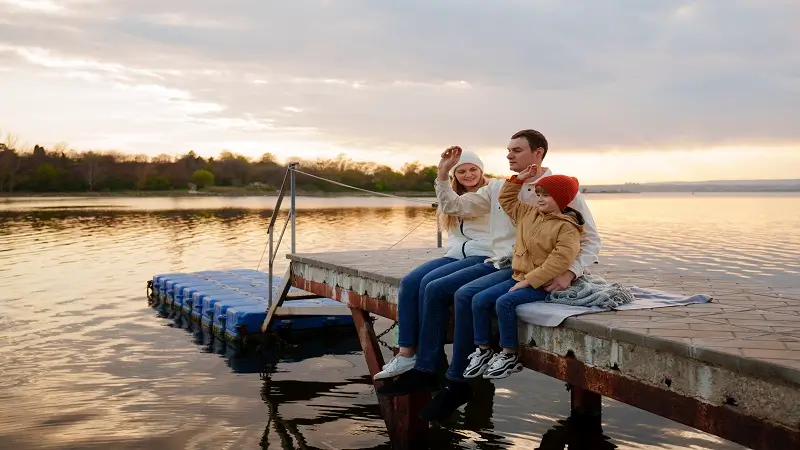
Fishing can be much more than catching fish. For families, it can become a meaningful outdoor activity where parents and children spend time together, learn practical skills, explore nature, and create memories away from busy daily routines. A successful family fishing trip does not require expensive equipment or years of experience. With thoughtful planning, basic knowledge, and the right approach, beginners of almost any age can enjoy the experience.
The idea behind fishing family thunderonthegulf brings together two things that naturally complement each other: family recreation and the excitement of coastal fishing. Whether the goal is to introduce children to fishing, enjoy a peaceful day outdoors, or teach younger family members about marine environments, a family-focused fishing trip can offer something for everyone.
This guide explains how to plan a family fishing adventure, choose suitable equipment, keep children engaged, practice safety, and make the entire experience enjoyable from beginning to end.
Why Fishing Is a Great Family Activity
Modern families often have limited opportunities to spend uninterrupted time together. Fishing creates a slower environment where conversations happen naturally, and everyone can participate.
Unlike some recreational activities that require advanced physical ability, fishing can be adapted to different ages and experience levels. Young children can begin by learning how to hold a fishing rod, while older children can gradually learn casting, bait preparation, knot tying, and fish handling.
Family fishing can also teach valuable lessons about patience. Fish do not always bite immediately, and waiting is part of the experience. Children learn that outdoor activities are not always about instant results.
The experience can become even more rewarding when families treat the entire trip as the goal rather than focusing only on how many fish they catch.
Planning the Perfect Family Fishing Trip
Good preparation is one of the most important parts of a successful fishing outing.
Choose a Suitable Location
For families, a comfortable and accessible fishing location is often better than a remote spot that requires complicated travel.
Look for an area with:
- Safe access to the water
- Enough space for children
- Nearby restrooms when possible
- Shade or sheltered areas
- Easy parking
- Calm conditions
- Clear local fishing regulations
Beginners should prioritize convenience and safety rather than trying to reach the most difficult fishing location.
Check Weather Conditions
Weather can have a major effect on a fishing trip. Before leaving, check the expected temperature, wind, rainfall, and water conditions.
If conditions become unsafe, postponing the trip is better than taking unnecessary risks. Children can become uncomfortable quickly in extreme heat, cold, or heavy rain, so weather planning is especially important for families.
Choosing Fishing Equipment for Children
Children do not need complicated fishing equipment. In fact, simple gear is often easier for beginners to understand.
Select an Appropriate Rod
A lightweight rod that fits the child’s size can make casting and handling much easier. A shorter setup is generally more manageable for younger children.
The goal is to make the first experience comfortable rather than giving a child equipment designed for advanced anglers.
Use Simple Tackle
Basic tackle is usually enough for a beginner’s first fishing trip. Avoid overwhelming children with numerous hooks, lures, and complicated accessories.
A simple setup allows them to concentrate on learning the fundamentals.
Teach Equipment Safety
Before fishing begins, explain that hooks are sharp and should never be swung around carelessly. Children should learn to keep a safe distance from other people while casting.
Adult supervision is essential whenever young children are handling fishing equipment.
Teaching Children the Basics
The best way to introduce children to fishing is through short, simple lessons.
Start by explaining what each piece of equipment does. Show them how to hold the rod, how the reel works, and why the line needs to be handled carefully.
Once they understand the basics, demonstrate casting before allowing them to try.
Do not expect perfect technique immediately. Casting requires coordination, and children may need several attempts before they feel comfortable.
Teach Simple Knots
Older children can learn basic fishing knots under adult supervision. Learning to tie a knot gives them a practical skill and makes them feel more involved in preparing the equipment.
Keep the lesson simple and focus on one knot at a time.
Keeping Children Interested
One of the biggest challenges during family fishing trips is keeping young children interested when fish are not biting.
The solution is to make the entire outdoor experience interesting.
Children can:
- Observe birds and wildlife.
- Look for different types of plants.
- Learn about tides and waves.
- Identify fish species.
- Take nature photographs.
- Keep a simple fishing journal.
- Help organize safe equipment.
- Draw pictures of what they see.
This approach turns a fishing trip into a broader outdoor learning experience.
Understanding Local Fish and Marine Life
A family fishing trip is an excellent opportunity to teach children about aquatic ecosystems.
Before the trip, research common fish species in the area. Explain what they eat, where they live, and why healthy waterways are important.
Children are often naturally curious about marine animals. Learning about fish before fishing can make catching or observing them more meaningful.
Parents can also explain the difference between species that are legal to keep and those that must be released.
Fishing Regulations Matter
Every fishing location can have different rules. Regulations may cover fishing licenses, minimum fish sizes, seasonal restrictions, protected species, equipment, and catch limits.
Families should check the current rules before fishing.
Teaching children to follow fishing regulations is important because responsible anglers help protect fish populations and aquatic ecosystems.
Following the rules also gives children an early lesson in environmental responsibility.
Safety Tips for Family Fishing
Safety should always come before catching fish.
Wear Appropriate Clothing
Dress according to the weather and bring additional layers when conditions may change.
For sunny days, hats, sunglasses, and sun protection can help reduce exposure to strong sunlight.
Stay Away from Unsafe Edges
Children should remain within clearly defined safe areas, particularly near deep water, slippery rocks, docks, or strong currents.
Never assume that calm-looking water is completely safe.
Carry Basic Emergency Supplies
A family fishing kit should include basic first-aid supplies, drinking water, necessary medications, sun protection, and a fully charged phone.
If fishing from a boat, everyone should use appropriate personal flotation equipment.
Making Fishing Educational
Fishing can become a practical outdoor classroom.
Parents can use the opportunity to teach children about:
- Weather
- Water movement
- Marine habitats
- Food chains
- Conservation
- Responsible waste disposal
- Basic navigation
- Patience and observation
These lessons do not need to feel like formal schoolwork. Simple conversations while waiting for a bite can turn the trip into an educational experience.
Conservation and Responsible Fishing
Responsible fishing is essential for protecting aquatic environments for future generations.
Families should never leave fishing line, hooks, plastic, bait containers, or other waste behind.
If a fish is released, handle it carefully and minimize the amount of time it spends out of the water. Follow local guidance for species that require special handling.
Children can participate in conservation by helping collect their own waste and learning why clean waterways matter.
The principles associated with fishing family thunderonthegulf are especially valuable when families treat fishing as a way to connect with nature rather than simply as a method of catching food.
Choosing the Right Time to Fish
Timing can influence both fishing success and family comfort.
Early mornings and later parts of the day can sometimes provide more comfortable temperatures, particularly during hot weather. However, the best fishing time depends on the location, species, season, tide, and weather conditions.
For families with young children, comfort should be considered alongside fishing conditions.
A shorter trip at a convenient time may be more enjoyable than spending an entire day outdoors.
Preparing Food and Drinks
Food can make a family fishing trip more enjoyable.
Pack easy-to-carry snacks and plenty of drinking water. Choose foods that can tolerate outdoor conditions and keep perishable items appropriately chilled.
Remember that children may become hungry quickly after spending time outdoors, so having snacks available can prevent unnecessary frustration.
Avoid leaving food waste around the fishing area.
What to Do When Fish Are Not Biting
Every angler experiences slow periods. This is particularly important for children to understand.
Instead of treating a quiet period as failure, use it as an opportunity to explore.
You can change fishing locations when permitted, teach another skill, observe wildlife, take photographs, or simply enjoy the surroundings.
The most successful family fishing trips are often remembered for funny conversations, unexpected discoveries, and shared experiences rather than the number of fish caught.
Creating Lasting Family Memories
Consider documenting the experience with photographs or a simple family fishing journal.
Children can record:
- The date of the trip
- Weather conditions
- Fish they observed
- What they learned
- Their favorite moment
- A drawing of the location
Over time, these records can become a personal collection of family outdoor memories.
Frequently Asked Questions
What age is suitable for a child’s first fishing trip?
There is no single perfect age. Very young children can participate in simple ways, while older children can learn more advanced skills. The activity should always be adjusted to the child’s attention span and ability.
Does a child need expensive fishing equipment?
No. Beginners generally benefit more from simple, lightweight equipment that is comfortable and easy to operate.
What should families bring fishing?
Essential items can include fishing equipment, water, snacks, sun protection, suitable clothing, first-aid supplies, and any required permits or licenses.
How can parents keep children interested?
Combine fishing with wildlife observation, nature exploration, photography, simple educational activities, and short breaks.
Is catch-and-release fishing suitable for families?
It can be, provided local rules are followed and fish are handled responsibly. Parents can use the process to teach children about conservation and respect for wildlife.
Conclusion
A family fishing trip can be an excellent way to disconnect from screens, spend quality time together, and discover the natural world. The real value of fishing is not measured only by the size or number of fish caught. It comes from the skills children learn, the conversations families share, and the memories created outdoors.
With proper planning, suitable equipment, weather awareness, and strong safety practices, fishing family thunderonthegulf can represent a rewarding approach to family recreation and coastal exploration. Beginners can start small, learn gradually, and allow children to participate at their own pace.